Leave Your Message

Blog

What Types of Bras Are Best for Wholesale Buyers?

What Types of Bras Are Best for Wholesale Buyers?

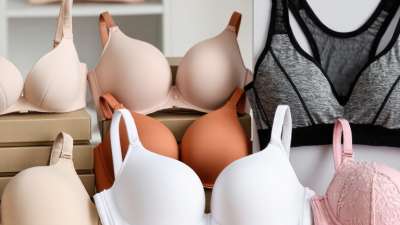
Let's be real—when you're buying bras wholesale, it's not just about chasing that one big bestseller. Your customers are all different, and so are their budgets, their seasons, and what they want to feel like. So a smart, practical mix might look something like this: T-shirt bras for smooth everyday wear, wireless ones for when they want easygoing support, sports bras for staying active, and maybe a few lace styles for anyone who wants something a little prettier. Every single one has its own job to do. Honestly, a bra collection only really works when each style has its own job to do. If everything kinda overlaps, you end up just reaching for the same couple of pieces anyway. Okay, before you go all in on a bulk order, there are a few things you really want to check first—size availability, how the fabric feels, the general construction, and whether your supplier is consistent from batch to batch. It's also worth looking at the small stuff: strap adjustability, how well the band snaps back, stitching, and whether the cups look weird under a fitted top. Honestly, those little details are what make people come back and buy again. So when you can, get samples—and don't just judge one size. Compare them across sizes. Just because something's trending doesn't mean it'll work in your market. That's a super easy thing to overlook. Okay, so if you're buying bras wholesale, this guide is for you. We'll look at which types are actually worth stocking up on and what you should think through before you commit to a big order. It's not just about picking whatever—you want a mix of everyday basics, some specialty pieces, and different support levels to round things out. Sure, sales data and customer feedback are way more reliable than gut assumptions, but they don't tell you everything. Fit is tricky—two people can want the exact same style and still need totally different things. So the smartest approach? Leave yourself room to adjust as you go.
Read more »
Isabella By:Isabella - November 6, 2026
2026 Top Gym Briefs for Wholesale Buyers

2026 Top Gym Briefs for Wholesale Buyers

When you're choosing Gym Briefs for wholesale, it's not just about comparing unit prices—honestly, that's the easy part. You really need to look at the fabric composition, waistband construction, stitching, color consistency, and what sizes are actually available. And the little stuff matters more than you'd think. If the waistband rolls while someone's moving, or the seams rub the wrong way, you're going to see returns. And that can quietly chip away at customer trust. Before you commit to a large order, it's worth asking suppliers for the up-to-date size chart, fabric specs, care instructions, and samples. Honestly, a sample can show you things a product page never will—how the material really stretches, how it feels in your hands, and whether it stays in shape after washing. When you're mapping out 2026, it's worth comparing suppliers on a few things—minimum order quantities, lead times, how much they let you customize, and what their quality-control process actually looks like. And don't just take their word for it: ask for written details on labeling, packaging, and color matching, especially if you're ordering multiple styles at once. Also, if a fabric's performance claims sound good, make sure there's real product info backing them up. "Premium" alone doesn't really tell you much. At the end of the day, not every buyer needs the same blend or fit, so that kind of vague reassurance isn't enough. Before you settle on a range, think about who your customers are, what you’re pricing it at, the climate, and where you’re selling it. Keep notes on sample feedback and inspection results—then actually use those notes when you order next time. Forecasts shift, and a shade that’s everywhere in one market might sit on the shelf in another. At the end of the day, comparing carefully won’t eliminate every risk, but it’ll make your sourcing choices a lot clearer and more consistent.
Read more »
Sophie By:Sophie - November 3, 2026
10 Best Yoga Pants Suppliers for Global Buyers

10 Best Yoga Pants Suppliers for Global Buyers

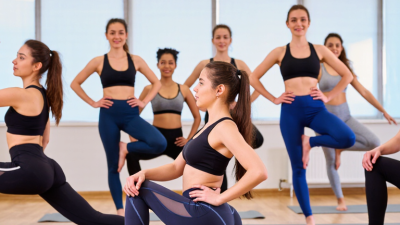
Picking a Yoga Pants supplier isn't just about comparing prices, you know? For global buyers, there's a lot more to think about—fabric performance, fit consistency, production capacity, and even how well they communicate. That sample might feel amazing in the showroom, but after a few washes? It can totally lose its shape. It's the little things that really count. Chip Wilson—you know, the guy who started Lululemon—once said something like, “We have a product because we have a better product.” For anyone doing the buying, that’s a pretty good reminder to dig a little deeper into what a supplier is actually offering. Like, does the fabric stay opaque when you move around? Do the seams lay flat? Can the factory keep the same measurements from one batch to the next? Honestly, clear answers to those kinds of questions matter way more than a bunch of polished product photos. Let’s be real: no supplier is perfect. Not even close. So when we put together this list of the 10 best yoga pants suppliers, we looked at the practical stuff—material options, MOQs, how samples work, lead times, and how they handle quality control. But here’s the thing: every supplier has its own strengths. One might be amazing if you want custom designs, while another is better if you’re after classic styles and bigger orders. Look, buyers can't just take claims at face value. You've got to verify things yourself, ask for current samples, and nail down specs before any production starts. Sure, that takes time. And even then, the first sample can still let you down. Doing a careful comparison helps cut down on avoidable surprises—but honestly, it won't eliminate all risk.
Read more »
Liam By:Liam - October 31, 2026
China Top Sun Visor Hat Manufacturer for Global Buyers

China Top Sun Visor Hat Manufacturer for Global Buyers

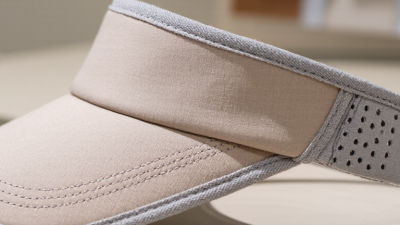
Finding the right China top Sun Visor Hat manufacturer? Honestly, it’s not just about comparing catalog prices—there’s way more to it. If you’re sourcing from overseas, you need materials that stay consistent, sizing that’s actually accurate, and production that doesn’t suddenly fall apart. And don’t even get me started on communication—if that’s unreliable, you’re in for a world of headaches. Here’s the kicker: a visor looks deceptively simple, but the brim structure, the sweatband, the closure, the stitching—all of that affects how comfortable it feels when you’re out in the sun for hours. So yeah, tiny details can make or break the whole deal. You know, Stephen Jones OBE, the famous British hat maker, once said something that really sticks with you: 'Hats are the exclamation point of an outfit.' And honestly, that couldn't be truer for today's Sun Visor Hats. A good visor doesn't just shield your eyes—it also shouts out your brand's vibe. For buyers, that identity might come through in a woven label, an embroidered logo, recycled fabric, or even a custom color. So when you're checking a sample, make sure all those little details are crystal clear. You know, the experienced manufacturers—they usually lay out all the details upfront: fabric weight, how firm the brim is, how they do the logos, packaging, and even production limits before they even take your order. Plus, they'll send over samples and run quality checks, no questions asked. But here's the thing—just because a supplier's cheap doesn't mean they're reliable. That's something people tend to miss. I mean, a sample might look great at first, but after you've worn it a bunch, you could spot uneven stitching or find that the elastic just gives out. It's sneaky like that. So you're on the hunt for a China-based sun visor hat manufacturer? This guide breaks down a few practical ways to assess them. We're looking at product development, factory experience, customization, quality control, communication, and export readiness. As a buyer, you should always ask for clear specifications and realistic delivery schedules. But also pay close attention to how they handle revisions – that moment can reveal more than any fancy brochure. And honestly, there's no perfect factory out there, so just aim for the best fit. You know, I've seen it time and again – the real foundation of any strong partnership isn't some grand gesture. It's about being open about the nitty-gritty details, having clear benchmarks you can actually measure, and then just keeping at it, steadily improving bit by bit.
Read more »
Liam By:Liam - October 27, 2026
Top 10 Knit Socks Manufacturers for Global Buyers

Top 10 Knit Socks Manufacturers for Global Buyers

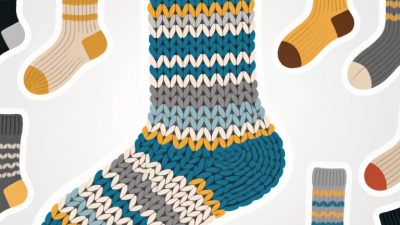
From the outside, the global Knit Socks market seems pretty straightforward. But once you dig a little deeper, you start running into all sorts of tricky decisions—things like yarn quality, knitting tech, labor standards, and whether deliveries actually show up on time. So, this guide rounds up ten manufacturers for buyers who just want reliable production partners. Robert Antoshak, a well-known textile-industry analyst, once put it like this: 'A sock is a small product, but its supply chain is not.' And honestly, that point really matters. When buyers are choosing socks, they can't just go by glossy catalog photos and tempting prices. They need to dig into things like knitting gauges, fiber blends, where the cushioning sits, how the toe seam is constructed, whether the colors stay consistent, and how well the socks hold up after washing. Because it's those little details that truly decide comfort. So, this list focuses on manufacturers who've actually been around the block in retail, sportswear, workwear, and private-label programs. You've got names like Darn Tough Vermont, Pantherella, Thorlos, and Fox River — each one bringing something a bit different to the table, whether that's serious durability or really nice premium finishing. And there are other suppliers out there too, ones that might be better if you need scalable production, reasonable minimum order quantities, or customization that's flexible. Honestly, rankings aren’t absolute. Markets shift, and factory performance can vary too—season, material availability, order size, all that stuff plays a role. And yeah, that’s worth admitting. A supplier who’s great for one buyer might disappoint another, especially when packaging, compliance, or delivery requirements are different. So before you sign anything, ask for samples, factory documentation, test reports, and a clear production timeline. So, this piece is here to help global buyers narrow things down a bit. That said, it's not a substitute for checking things out yourself. Think of the comparison as a starting point—then, you know, actually put the socks through their paces in real life. After all, feet pick up on stuff spreadsheets never will.
Read more »
Isabella By:Isabella - October 22, 2026
2026 Top Types of Boxer Underwear for Global Buyers?

2026 Top Types of Boxer Underwear for Global Buyers?

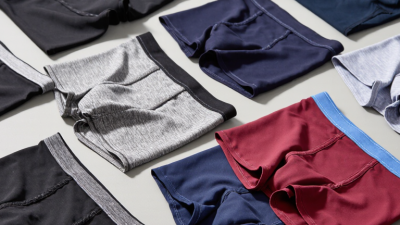
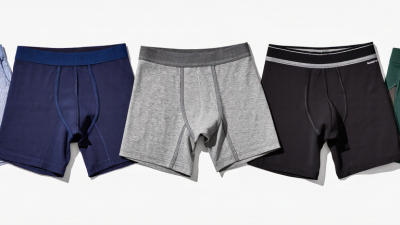
Global buyers stepping into the 2026 Boxer Underwear market aren’t just picking a style. They’ve got to think about comfort, how the fabric performs, whether sizing stays consistent, if supply is reliable, and where the product fits at retail. A strong range might include classic woven boxers, stretch cotton styles, modal blends, long-leg designs, and moisture-managing performance underwear. Textile Exchange’s Materials Market Report 2024 put global fiber production at about 124 million tonnes in 2023, and it could climb to 160 million tonnes by 2030. That kind of growth puts more attention on material traceability, recycled inputs, and responsible sourcing. McKinsey’s State of Fashion research also points out that value-conscious consumers are still very tuned in to quality and price. And yes, that pressure shows up in the underwear aisle too. Marshal Cohen, former Chief Industry Advisor at Circana, once said, “The consumer is always looking for value.” That line still works for Boxer Underwear buyers. A soft waistband, flat seams, and stable recovery can feel like real value in everyday wear. Honestly, small details matter. That said, no single fabric wins everywhere. Modal can feel nice and smooth, while cotton may offer that familiar breathability. Performance fibers can dry faster, but some buyers just don’t like the synthetic feel. This is where product testing really becomes essential. Samples should make it through repeated washing, stretching, folding, and warehouse handling. The market picture isn’t perfect, either. Forecasts vary by region, and consumer preferences can shift faster than many buying plans. Buyers should compare supplier data with actual fit tests, customer reviews, and return rates. The overview below looks at the leading Boxer Underwear types for global purchasing decisions in 2026.
Read more »
Sophie By:Sophie - October 19, 2026
How to Choose the Best Beach Thongs for Global Buyers?

How to Choose the Best Beach Thongs for Global Buyers?

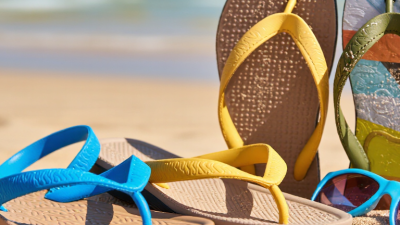
Picking the right Beach Thongs for buyers around the world? It isn’t just about cute colors or the lowest price. Comfort, durability, sizing, materials, and whether the supplier is reliable—all of that shapes the final order. A pair can look great on a product page and still feel wobbly after a few hours on hot sand. That gap matters. Seasoned buyers tend to check things like sole thickness, how the toe post is built, strap flexibility, and the footbed texture. Natural rubber can feel soft and grippy; synthetic blends might help keep costs down and colors consistent. But you can’t just take marketing claims at face value. Ask for supplier documents, and when it makes sense, independent testing. Pretty wording isn’t proof. Fit is another headache. Feet come in different shapes from region to region, and size charts? They’re not always consistent. Someone with a wider foot may need a different strap design even if the length is right. So request physical samples and compare them with what real customers say. Little things matter—rough edges, weak bonding, or a sole that turns slippery once it’s wet. A reliable supplier should be upfront about production capacity, quality inspections, packaging options, and responsible sourcing. They should also be clear on labeling and product safety rules for each target market. Standards vary, and assumptions can lead to costly delays. No product is perfect, either. Even well-tested Beach Thongs may need design tweaks once they hit a wider market. This guide looks at practical ways retailers, distributors, and importers can choose better. It’s about evidence, real wear experience, and supplier transparency. The goal isn’t just to find the cheapest pair. It’s to find dependable Beach Thongs that work for real users, real climates, and real business conditions.
Read more »
Liam By:Liam - October 16, 2026
Why Choose Knit Boxers for Global Buyers?

Why Choose Knit Boxers for Global Buyers?

Global buyers are taking a second look at everyday underwear. Why? Because comfort, durability, and responsible sourcing are now commercial priorities, not just nice-to-haves. Grand View Research put the global underwear market at around USD 96.2 billion in 2023, and it expects growth to keep going through 2030. That kind of expanding market tends to reward suppliers who get real wearing conditions—not just pretty product photos. Knit Boxers hit a practical sweet spot between softness, stretch, airflow, and production flexibility. Their knitted construction moves with the body—whether someone is commuting, traveling, or working long warehouse shifts. The payoff? Less restriction around the thighs. And honestly, small details matter. Textile Exchange reported that global fiber production reached about 124 million tonnes in 2023. Its 2024 Materials Market Report also sees further growth by 2030. That pressure makes material selection a pretty important purchasing decision. Cotton-rich blends can give that familiar hand feel, while responsibly sourced fibers can help strengthen a buyer's sustainability story. But sustainability claims need evidence. Certificates, recycled-content records, colorfastness results, shrinkage tests, and factory audits should back up every promise. A supplier should also check waistband recovery after repeated washing. That test? Often overlooked. From practical sourcing experience, Knit Boxers tend to perform best when pattern engineering matches the target market. European buyers may lean toward a longer leg and restrained branding. Hotter regions may need lighter fabric and faster drying. No single fabric wins every market. And even good samples can fail after mass production. So buyers should request pre-production samples, inspect seam quality, and compare measurements after laundering. Reports show market opportunity, sure—but factory-level verification is what builds trust. The choice isn't merely about comfort. It ties together product performance, compliance, cost control, and long-term customer confidence. Some assumptions will still need review. That's healthy.
Read more »
Isabella By:Isabella - October 11, 2026
Why Are Beach Thongs Popular Worldwide?

Why Are Beach Thongs Popular Worldwide?

So, why are Beach Thongs popular all over the world? Well, the answer starts with comfort, climate, and everyday practicality. They're light, quick to slip on, and easy to rinse off after sand or seawater. Their open design lets air move around your feet too—which really matters in hot coastal cities. People call them different things depending on where you are. In Australia, they're usually 'thongs'; in the US, most people say 'flip-flops.' But no matter the name, the product is instantly recognizable. The World Footwear Yearbook 2024 reported that about 23.9 billion pairs of footwear were produced globally in 2023. That's a huge supply network, though it doesn't break out Beach Thongs on their own. Grand View Research also points to casual and athletic footwear as major market segments, which shows there's still plenty of demand for informal, practical shoes. Beach Thongs fit right into that kind of lifestyle. You see them by hotel pools, on crowded boardwalks, and at quiet weekend beaches. Because they're so light, they don't eat up much packing space—especially if you're traveling with a small bag. Retailers like them for their simple construction and broad seasonal appeal. And shoppers often pick them because they're affordable and familiar. That said, popular doesn't mean perfect. Thin soles can give you pretty limited support on long walks. Straps that don't fit well can rub, especially on wet skin. Material quality also varies a lot from one pair to another. And environmental claims deserve some caution, since many cheap pairs are made with synthetic materials that are hard to recycle. The European Environment Agency has repeatedly stressed the need for longer product life and better material management in textiles and footwear. So yes, the worldwide appeal of Beach Thongs is real—but responsible design, fit, durability, and transparent sourcing deserve just as much attention. It's a practical story, not a flawless one.
Read more »
Isabella By:Isabella - October 7, 2026
10 Tips for Sourcing Briefs from Global Suppliers

10 Tips for Sourcing Briefs from Global Suppliers

sourcing briefs from global suppliers isn't just about running a quick price comparison on a spreadsheet. it really takes some technical judgment, clear communication, and a bit of patience—especially when the info isn't perfect. like, a supplier might say their cotton is super soft, but then the first sample after washing feels kinda rough. or maybe the waistband doesn’t bounce back as it should, or the stitching twists near the leg opening. Those tiny details actually make a big difference. Ayesha Barenblat, who started Remake and is a well-respected expert in ethical fashion, once said, “We can't just shop our way out of the climate crisis.” That’s so relevant here—when you're sourcing briefs, for example, you gotta dig deeper. You need a solid process that looks into where the materials come from, what conditions the factories work under, how chemicals are handled, and whether the supplier is reliable in the long run. Claims about sustainability need actual proof, not just nice words. So, ask for fiber certificates, test results, photos of production, and clear info about the factories. And then, verify what you can. This guide shares ten practical tips for managing relationships with suppliers all over the world. It covers everything from screening suppliers and evaluating samples to figuring out minimum orders, quality control, lead times, payment terms, and shipment planning. Small details—like fabric used in the gusset, elastic tension, seam placement, and colorfastness—should all have written specs. Same goes for acceptable defect levels. While building a good relationship with suppliers is about being friendly and collaborative, don’t ever rely solely on those conversations—make sure everything’s in writing. Of course, some tough choices are inevitable. The cheapest quote might hide issues like rework, delays, or compromised quality down the line. Even seasoned buyers can sometimes overlook risks during a busy season. That’s pretty much the point of having a strict sourcing process—you’re not aiming for perfection, but catching problems early on. Having clear records, independent testing, and respectful communication with your suppliers really helps make better briefs happen, even across borders.
Read more »
Sophie By:Sophie - October 4, 2026
Why Choose Wholesale Briefs for Global Buyers?

Why Choose Wholesale Briefs for Global Buyers?

So, why should you consider wholesale briefs when you're a global buyer? Well, they’re a pretty practical way to get reliable underwear supplies without breaking the bank, giving you control over costs and product planning. Whether you're a retailer, distributor, or running your own private-label brand, choosing the cheapest factory option isn’t always the way to go. Cora Harrington, the founder of The Lingerie Addict, once said, “Lingerie is for everyone.” That really hits home when you’re comparing briefs—because everyone’s different. Bodies, climates, lifestyles, shopping habits—that’s what you’ve gotta consider. A solid wholesale program should cover all that: different sizes, breathable fabrics, sturdy waistbands, and clear instructions on how to care for the stuff. Little details actually make a big difference. For example, a cotton briefs collection should stay soft even after a few washes, not just feel nice during the initial inspection. The elastic needs to stretch back without pinching, and packaging should protect the product while not wasting too much material. These small things don’t just affect customer reviews—they impact repeat orders and long-term trust in your brand. Purchasing wholesale can also help you stay on top of inventory. You might negotiate things like minimum order sizes, color options, sampling steps, and how often you restock. Reliable suppliers are transparent—providing info on fabrics, production timelines, quality checks, and being easy to communicate with. But hey, wholesale isn’t automatically better. Sometimes, a dirt-cheap unit price can hide problems like inconsistent sizing, weak stitching, late shipments, or overstock. Don’t assume it’s all smooth sailing. It’s really smart to test samples before you commit to huge orders. Check out the actual measurements, the quality of packaging, and how the briefs hold up after washing. Trust but verify what the suppliers tell you. Getting the sourcing strategy right means balancing the price, comfort, quality, compliance, and what your market actually needs. It might take a bit more time and effort, but that kind of extra attention can save you headaches later and help keep your customers happy while building a trustworthy brand.
Read more »
Sophie By:Sophie - September 30, 2026
How to Choose the Best Briefs for Your Store?

How to Choose the Best Briefs for Your Store?

Picking the right assortment of Briefs isn’t just about matching colors and sizes — it’s a real business decision. Did you know the global underwear market was estimated to hit around USD 93.4 billion in 2023? And the experts say it’s going to keep growing through 2030. But here's the thing: that huge figure doesn’t mean every style will fly off the shelves. What really matters are your customers’ preferences for fit, the climate they live in, their budget, and how often they come back for more. Those are the details that make a difference. Retail guru Paco Underhill, author of Why We Buy, is often quoted saying, “The longer a shopper spends in a store, the more likely they are to buy.” And that totally applies to briefs too. To make sure people pick yours, start with clear, helpful options — like a visible size range, fabric details they can compare easily, and packaging that helps folks spot the style they want without fuss. Keep your core colors in stock and try out some seasonal shades in smaller batches. It’s simple, but not always super easy. Before you go adding loads of new styles, take a close look at what’s actually selling by size, style, and fabric. Cotton blends are usually great for everyday wear, while stretch fabrics can attract customers who want a closer fit. And don’t forget to check why people are returning items. Sometimes, a bright color might sell well, but if the waistband feels tight or uncomfortable, it might not be worth the trouble. One common mistake is relying too much on supplier forecasts alone — treat those numbers as a starting point, not gospel. Doing a small trial order can really help discover gaps before you end up with slow-moving stock. In the next sections, I recommend looking at quality, sizing, your suppliers, profit margins, and what customers are saying. Building a briefs collection that makes people want to come back for more? That’s how you turn one-time buyers into loyal fans.
Read more »
Sophie By:Sophie - September 27, 2026
China Best Printed Socks Manufacturer for Global Buyers?

China Best Printed Socks Manufacturer for Global Buyers?

For global buyers on the hunt for the best Printed Socks from China, it's about more than just checking prices. You need solid proof of how the factory controls production, ensures material safety, and has reliable export experience. Printed Socks come with all kinds of design options—like sublimation, knitted patterns, or digitally printed artwork—and each method can impact things like color accuracy, stretchiness, how the fabric feels, and how long it lasts. For example, a logo that looks super bright before washing might fade pretty quickly after a few rounds in the laundry. Market data really backs up the fact that this is a growing opportunity. According to Grand View Research, the global custom apparel printing scene keeps expanding, fueled by people loving personalized items and the boom in online shopping. Meanwhile, Mordor Intelligence points out that the worldwide socks market is also steady climbing, boosted by fashion trends, sportswear, and brands that sell directly to consumers. Just a heads up—these reports use slightly different definitions, so their numbers aren’t always directly comparable. It’s just something to keep in mind. Smart buyers don’t just look at cute product photos—they ask for details like fabric content, yarn thickness, size accuracy, color fastness test results, and even request samples. They also check if the factory can handle their artwork files, meet packaging needs, and stick to shipping schedules. Certifications like SGS testing or OEKO-TEX can add an extra layer of trust, but make sure those certifications truly match what the factory is producing and where they’re located. China is a huge hub for textiles, but the quality varies a lot from one supplier to another. Remember, the cheapest option isn’t always the best. The ideal partner communicates well, spots potential risks early on, and keeps detailed quality records you can trace back. Having a sock with 200 needles can mean softer, finer details, but the complexity of your design will definitely influence the final look. Mistakes happen—that’s part of the game. What really counts is how a manufacturer handles those slip-ups: do they acknowledge them, fix them, and improve their process? That’s how you find real reliable partners.
Read more »
Sophie By:Sophie - September 22, 2026
2026 Top Gardening Hat Styles for Global Buyers

2026 Top Gardening Hat Styles for Global Buyers

So, the gardening hat market in 2026 is really evolving beyond just sun protection. Nowadays, buyers are digging deeper—comparing UPF ratings, how well the hats breathe, if the brim stays firm, how easy they are to pack, and whether they're made from responsible, eco-friendly materials. Honestly, a hat's gotta withstand damp mornings, harsh sunlight, contact with soil, and being washed over and over again. It's the little details that make all the difference. According to Grand View Research, the outdoor clothing scene is showing more interest in functional gear—things that are lightweight, versatile, and fit into an active outdoor lifestyle. Meanwhile, Fortune Business Insights also points out that there's growing demand for UV-protective clothing and accessories. These trends suggest there’s a lot of potential for gardening hat brands—especially in places with intense sunshine and where more folks are into home gardening. That said, keep in mind: most of these reports look at outdoor apparel in general, not gardening hats specifically. That's an important thing to remember. Euromonitor’s consumer research highlights that people often choose their outdoor gear based on durability, comfort, and sustainability. So, when you're describing your hats, you gotta be specific. Saying “made with premium eco-friendly materials” is good, but mentioning a breathable polyester crown, a 7-centimeter brim, or an adjustable sweatband really paints a clearer picture. And when you talk about UPF protection, make sure it’s backed up by proper testing standards. Before placing big orders, it’s smart to check the quality of stitching, how well the colors hold up, packaging efficiency, and whether the design suits the climate of the target region. Of course, style still matters. You’ve got foldable bucket hats, wide-brim safari styles, waterproof garden caps, and breathable mesh options—each serving different tastes and needs. But don’t assume that what looks trendy is what gardeners will actually buy. That needs to be tested. For example, some gardeners might prefer a secure chin strap over a fancy ribbon. The real opportunity in 2026 is finding that sweet spot—combining good looks, verified sun protection, comfort, and honest claims about how well it performs. All in all, the key is balancing the aesthetics and practical features, while staying transparent and true to what the product can deliver. That’s where the market’s headed.
Read more »
Liam By:Liam - September 18, 2026
China Top Thong Briefs Manufacturers for Global Buyers

China Top Thong Briefs Manufacturers for Global Buyers

China’s underwear manufacturing industry is pretty impressive — it’s a mix of massive-scale production and now, more than ever, specialized product development. According to China Customs, exports of textiles and apparel hit around USD 293.6 billion in 2023. Now, that number doesn’t break down how much of that is thong briefs or other specific items, but it really shows just how deep China’s supply chain runs. Looking ahead, Grand View Research predicts that the global lingerie market will keep growing all the way through 2030. Things like comfort, breathable fabrics, and the rise of online shopping are really shaping what buyers want these days. For buyers around the world, a reliable thong briefs supplier isn’t just about offering a good price — they also need to be transparent about their materials, keep consistent sizing, have solid quality control documented, and have decent export experience. Certifications like GOTS, OEKO-TEX, and ISO 9001 can help when you’re vetting suppliers, but it’s always a smart move to verify those certificates directly. Proper fit and attention to detail are what really count. This guide will walk you through China’s top thong briefs manufacturers with a focus on what matters most to buyers. We’ll cover fabric choices, pattern accuracy, minimum order quantities, sampling processes, packaging styles, production capacity, and overall communication. Experienced sourcing pros often ask for pre-production samples, wash tests, colorfastness reports, and inspection records before pulling the trigger on larger orders. Doing this early helps spot issues — especially with elastic recovery and stitching strength — before it’s too late. Keep in mind, no supplier is perfect. Factory capabilities can change over time, and online claims might become outdated quickly. That’s why it’s always best to double-check current licenses, audit reports, lead times, and shipping histories yourself. The best manufacturers may not always be the cheapest, but they’re the ones who communicate clearly, own up to mistakes, and consistently deliver quality across repeated orders. Oftentimes, that’s the real key — but it’s easy to miss if you’re not paying close attention.
Read more »
Liam By:Liam - September 15, 2026